
A Beginner’s Guide to Insulating Your Home for Winter
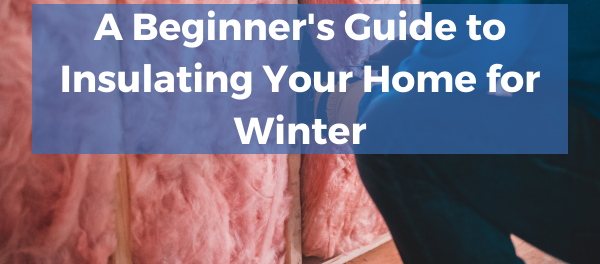
When the cold weather sets in, the last thing you want is for your home to feel like a drafty icebox. Getting your insulation right is one of the best ways to stay cosy and keep a lid on your energy bills. So, how do you go about it?
This article by property expert Thomas Goodman at MyJobQuote.co.uk will go over everything you need to know about insulating your home for the winter. Thomas has a ton of great advice on how to get your home winter-ready. He’s got the scoop on different types of insulation and some other handy tips to keep things warm.
Making the Most of Your Loft
Your loft is a major culprit for heat loss, especially in older houses. If your loft insulation is thin or missing, you’re basically letting your heat escape through the roof, which means higher energy bills and a less comfortable home.
A great place to start is checking the depth of the insulation you already have. You should be aiming for at least 270mm, but 300mm is even better. If your loft is under-insulated or completely bare, you should think about a full installation. This usually means laying down rolls or slabs of insulation between the joists, which are the wooden beams on the loft floor.
Tackling Your Walls
Insulating your walls is another huge step toward cutting down on heat loss, especially through your home’s exterior. It can make a big difference in your home’s energy efficiency and help lower your heating costs. It even helps with soundproofing and can improve your home’s appearance.
There are two main kinds of wall insulation:
- Cavity Wall Insulation: This is for homes with a gap between the inner and outer walls. A professional will inject insulation into this space.
- Solid Wall Insulation: This is a more involved process for homes with no gap. You can either have insulation boards installed on the inside of your walls (internal) or have insulation materials applied to the outside (external).
Don’t Forget the Floors
Heat can also escape right through your floors, especially on the ground level. Insulating your floors helps keep your feet warm, makes your living space more comfortable, and boosts energy efficiency, which in turn cuts down on heating bills.
The two main types are:
- Solid Floor Insulation: This involves putting insulation boards between the joists of solid floors.
- Suspended Floor Insulation: This is for suspended floors and also means installing insulation between the joists.
Sealing Up the Gaps
One of the simplest and most affordable ways to save heat is to block up all the draughts. Just seal any gaps around your doors, windows, and other openings to stop cold air from getting in and warm air from getting out. You can use simple things like draught-proofing strips, sealant, or foam to fill gaps around doors, windows, and even skirting boards. Don’t forget to check around pipes and cables too, and seal them up.
Upgrading Your Heating System
If you’re still relying on an old, inefficient heating system, a modern one could save you a lot of money and energy. Consider getting a new boiler or installing a smart thermostat to better control your heating. This will help you heat your home more efficiently and make it much more comfortable.
A few things to think about:
- New Boiler: A modern, energy-efficient boiler can really reduce your energy use and heating bills.
- Regular Servicing: Make sure to have your boiler serviced regularly to keep it running at its best.
- Smart Thermostats: These let you control your heating remotely and help you save energy.
Other Tips to Stay Warm
Beyond insulation, there are other small things you can do to stay comfortable.
- Bleed Radiators: Bleed your radiators regularly to make sure heat is distributed evenly.
- Close Curtains: Close your curtains and blinds at night to trap heat inside.
- Wear Warm Clothes: Layer up indoors with jackets, socks, and slippers.
- Cook Warming Meals: Cooking warms up your home, so make some cosy soups and stews.
- Check for Leaks: Fix any plumbing leaks to prevent heat from escaping.
- Thermal Imaging Survey: Consider a professional survey to find out where your home is losing heat.
DIY vs. Professional Help
Some jobs, like loft insulation and draught-proofing, are perfect for a DIY project. But more complex tasks, like floor and wall insulation, are probably best left to a professional. Weigh the complexity, your own skills, and the potential costs before you decide.
Final Thoughts
By putting these tips into action, you can turn your home into a warm, inviting haven for the winter. You’ll not only be more comfortable, but you’ll also likely see your energy bills shrink. Think of a well-insulated home as an investment that pays off in both comfort and savings. So, why wait? Start your insulation project today!
THOMAS GOODMAN
Thomas Goodman has worked as a property and construction expert for MyJobQuote for six years and has worked in the construction industry for over twenty years. Thomas continues to work on building projects while providing expert construction and property advice to industry professionals and DIY enthusiasts.